
What the Museum Knows That the Feed Doesn't
On taste, scarcity, and the strange revival of slow culture.
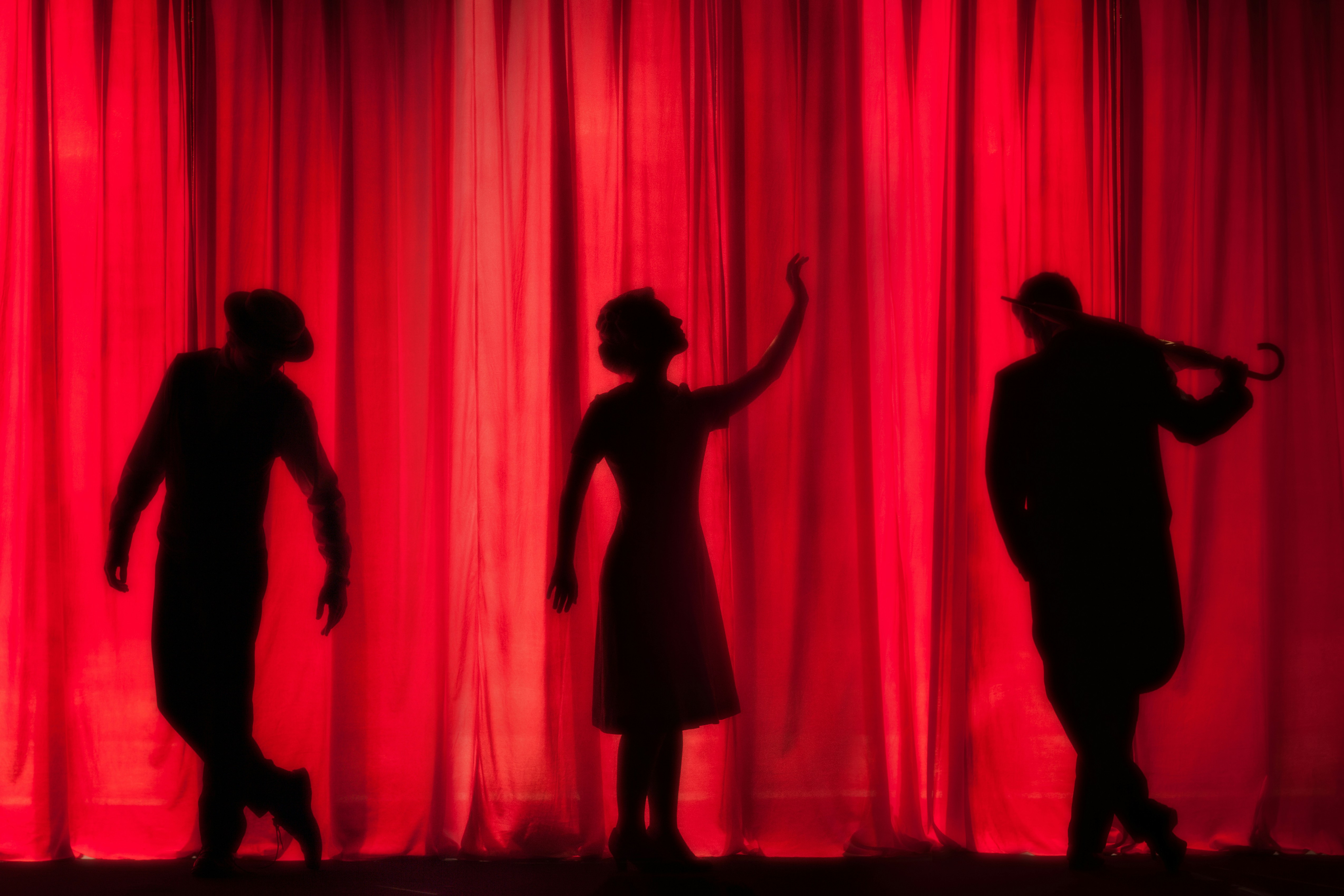
Walk into any serious museum on a Saturday afternoon and you will see something the feed cannot replicate: a room full of strangers, mostly under forty, looking at a single object for longer than thirty seconds.
This is not nostalgia. It is something stranger. A generation that was supposed to have its attention permanently disassembled is, in small but measurable ways, opting back into forms of culture that demand patience.
Museum attendance, opera subscriptions, hardcover sales of long literary novels, the return of the long-form essay — none of these are reaching the volumes of their mid-century peaks, but they are no longer dying. The line that bottomed out in the late 2010s has, very quietly, begun to climb.
"The feed gives you novelty," a curator told me. "It cannot give you depth. People are figuring that out."
There is a temptation to read this as a backlash, a kind of cultural reaction formation. The truth is duller and more interesting. People who spend most of their waking hours inside scrolling interfaces appear to be developing a hunger for the opposite — for objects, for rooms, for experiences that cannot be summarized in a caption.
The institutions that are thriving are the ones that have understood this. They are not chasing the feed. They are offering, deliberately, what the feed cannot: scale, silence, the company of strangers, the chance to be wrong in public.
There is, in this, a small and useful lesson for the rest of the culture industry. The thing people are willing to pay for, when they pay at all, is not more. It is less, and slower, and better.